Internet service providers (ISPs) are under constant pressure to deliver faster, more reliable connectivity while keeping operational costs under control. As subscriber numbers grow, managing customers, billing, service plans, payments, and network access manually can become expensive and inefficient. This is where subscriber management software can make a significant difference.
Modern subscriber management platforms help ISPs automate repetitive processes, centralize customer information, reduce administrative workloads, and improve service delivery. For growing fiber, wireless, broadband, and WISP businesses, adopting the right technology can turn subscriber management from a cost center into a more efficient operation.
What Is Subscriber Management Software?
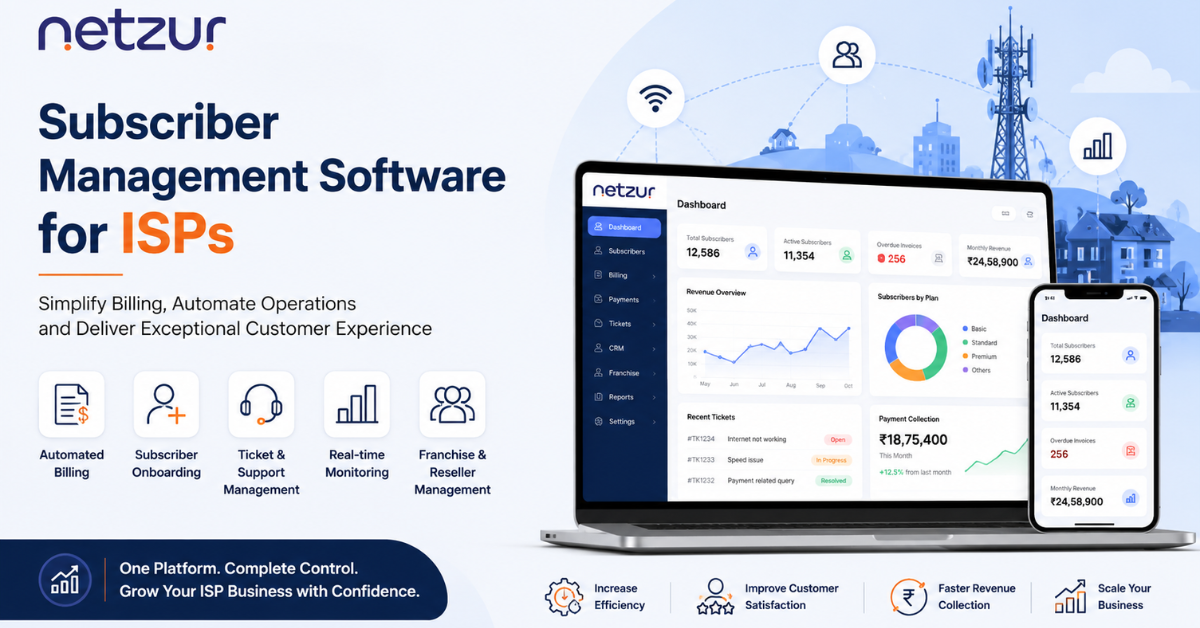
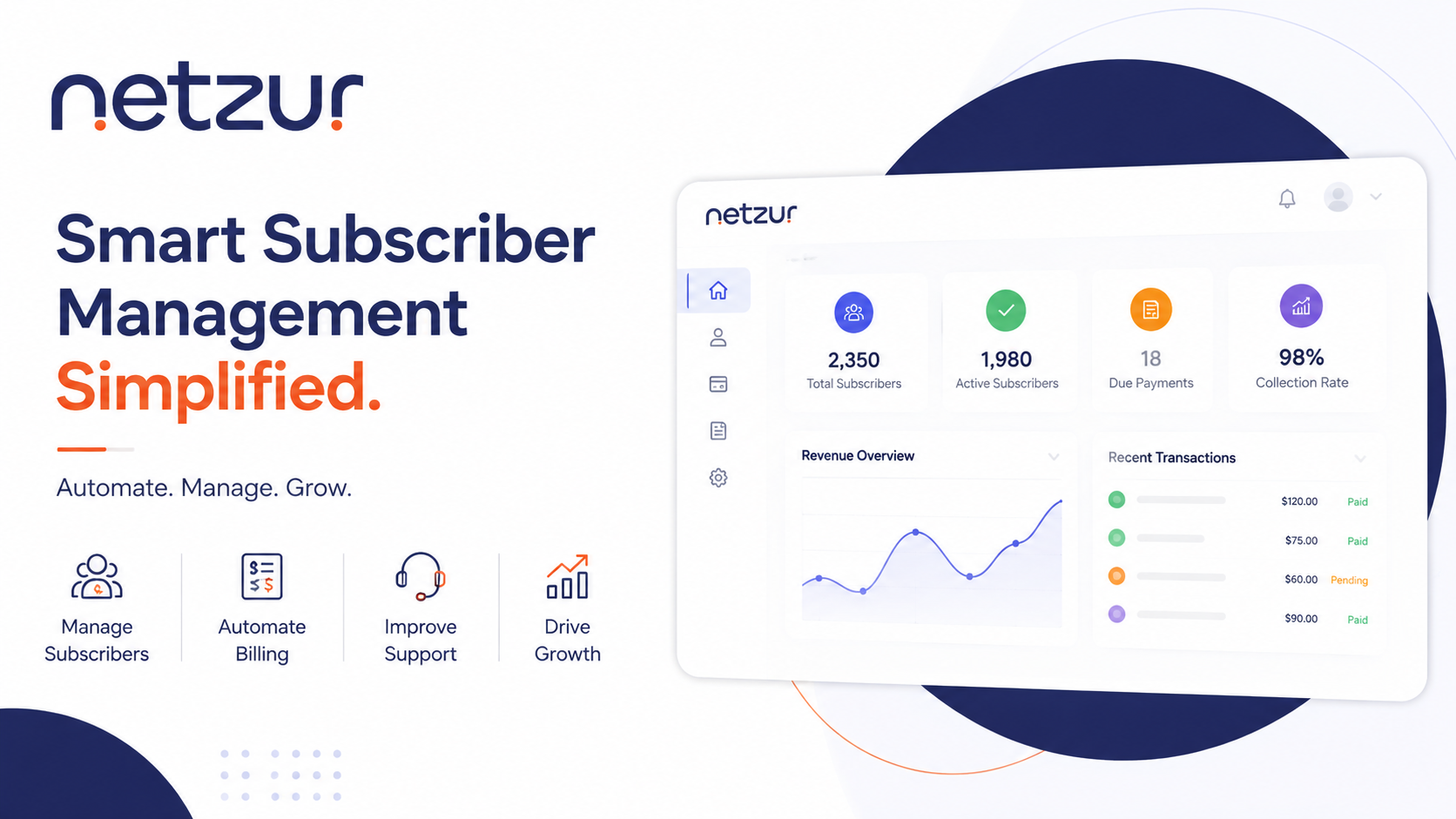
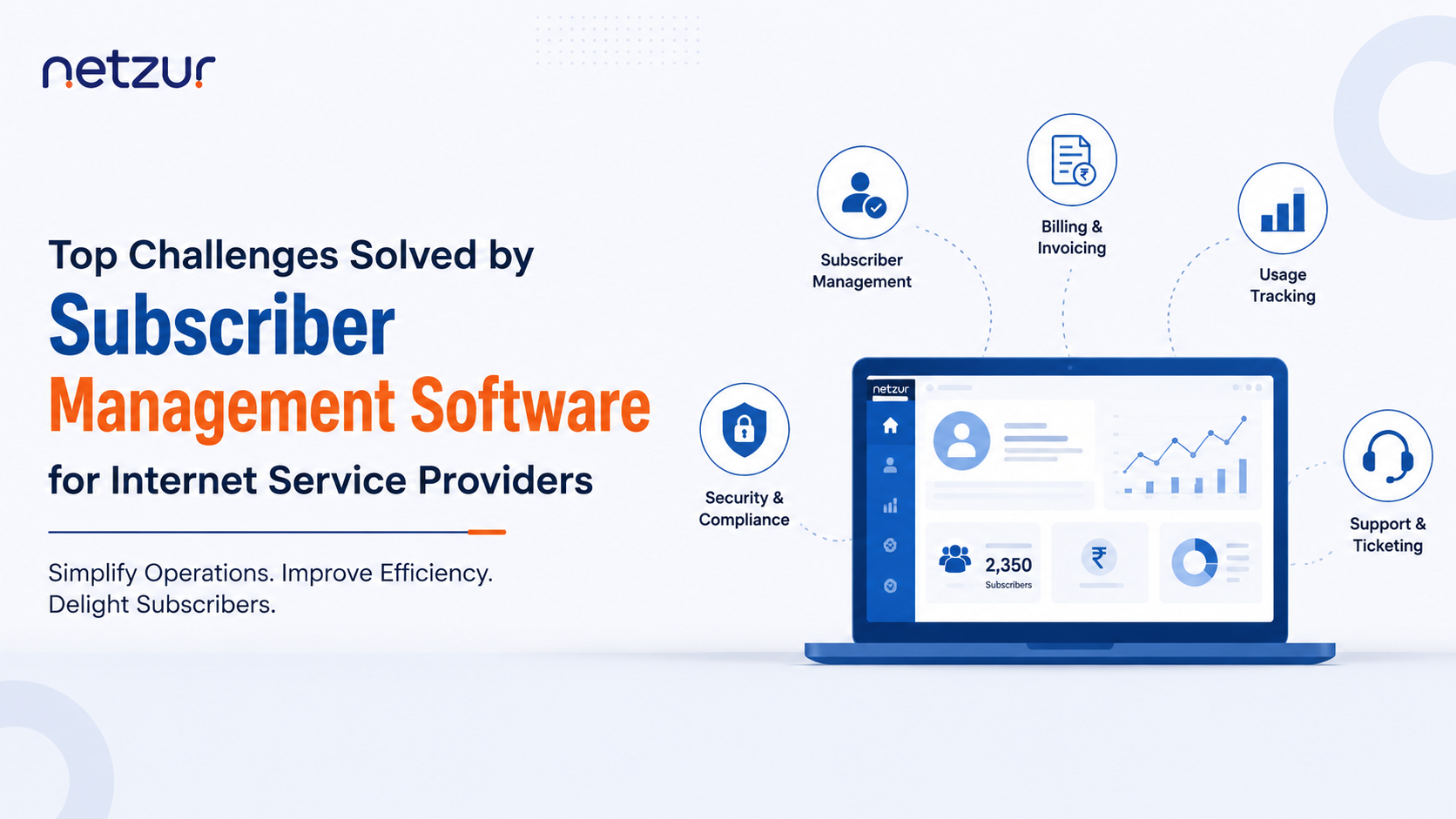
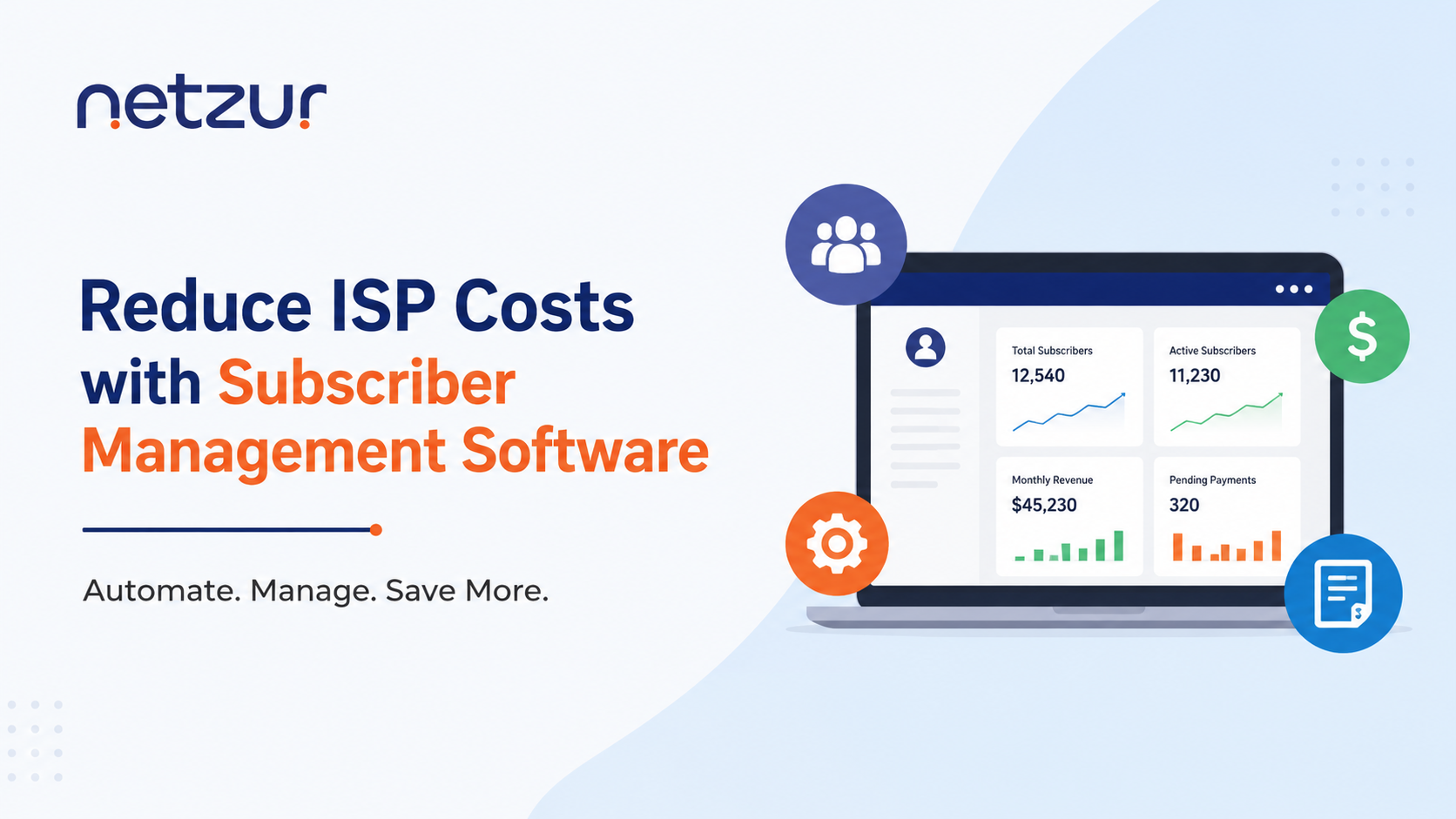
Subscriber management software is a centralized solution designed to help ISPs manage their customers and service operations from one platform. It can bring together subscriber profiles, internet plans, billing information, payment status, account activity, and service management.
Instead of relying on spreadsheets, disconnected applications, or manual processes, an ISP can use automation to handle routine tasks. This reduces the amount of time employees spend on administration and allows teams to focus on customer support, network performance, and business growth.
Why Operational Costs Are Rising for ISPs
Operational expenses can increase quickly as an ISP expands its subscriber base. More customers mean more invoices, payments, support requests, plan changes, activations, and account updates.
Common sources of unnecessary costs include:
- Manual subscriber data entry
- Repetitive billing and payment tasks
- Time-consuming account management
- Delayed payment follow-ups
- Multiple systems containing duplicate information
- Manual service activation and suspension
- High customer support workloads
- Errors caused by inconsistent data
Without automation, these processes require more employees and more working hours. Over time, even small inefficiencies can significantly affect profitability.
1. Automate Repetitive Subscriber Tasks
One of the biggest advantages of subscriber management software is automation.
ISPs can automate processes such as customer registration, account updates, plan changes, service activation, suspension, and renewal reminders. Instead of employees completing every action manually, predefined workflows can handle routine operations.
For example, when a new customer subscribes to an internet plan, their account information can be recorded and connected to the appropriate service configuration. This reduces manual effort and minimizes the possibility of data-entry errors.
2. Reduce Billing and Administrative Work
Billing is one of the most repetitive areas of ISP operations. Creating invoices, tracking payment status, sending reminders, and updating customer accounts can consume significant staff time.
A centralized subscriber management solution can automate many of these activities. Recurring billing, payment tracking, invoice generation, and notifications can be managed through predefined workflows.
This helps reduce administrative overhead while giving employees more time to handle higher-value tasks.
For additional information about broadband technology and digital infrastructure, organizations can also explore resources from the International Telecommunication Union.
3. Minimize Human Errors
Manual processes do not only consume time—they can also create costly mistakes.
Incorrect subscriber information, missed payment updates, duplicate records, or incorrect service changes can result in customer complaints and additional support work.
Subscriber management software creates a centralized source of subscriber information. With standardized processes and automated updates, ISPs can improve data accuracy and reduce the operational costs associated with correcting mistakes.
Better data accuracy can also make reporting and decision-making more reliable.
4. Improve Customer Support Efficiency
Customer support is another major operational expense for ISPs. Many support requests are related to billing, account status, service plans, or payment issues.
A centralized platform gives support teams quicker access to relevant subscriber information. Instead of checking multiple systems, employees can view customer details and account status in one place.
Faster access to information can reduce average handling time and help support teams resolve routine issues more efficiently.
For broader industry standards and networking information, ISPs can refer to technical resources published by the Internet Engineering Task Force (IETF).
5. Streamline Service Activation and Suspension
Manual service activation and suspension can become difficult when an ISP manages hundreds or thousands of subscribers.
Automation can connect subscriber status with service management workflows. When an account meets predefined conditions, the appropriate action can be triggered without requiring repeated manual intervention.
This can reduce workload for technical and administrative teams while helping ensure that service changes happen consistently.
6. Scale Without Increasing Costs at the Same Rate
One of the most important benefits of automation is scalability.
An ISP may be able to manage a small subscriber base using spreadsheets and manual processes. However, those methods become increasingly difficult as the business expands.
With subscriber management software, many processes can continue operating through automated workflows as the subscriber base grows. This means an ISP can potentially serve more customers without increasing administrative resources at the same rate.
Scalability is especially important for fiber providers, WISPs, and broadband businesses expanding into new markets.
7. Gain Better Visibility Into Operations
Centralized subscriber data can also help management teams understand operational performance.
Businesses can monitor subscriber activity, payment patterns, service plans, account status, and other important information from a unified system. Better visibility can help identify inefficiencies and support more informed business decisions.
Instead of relying on disconnected spreadsheets and manual reports, teams can use centralized information to identify where resources are being spent and where automation can create further savings.
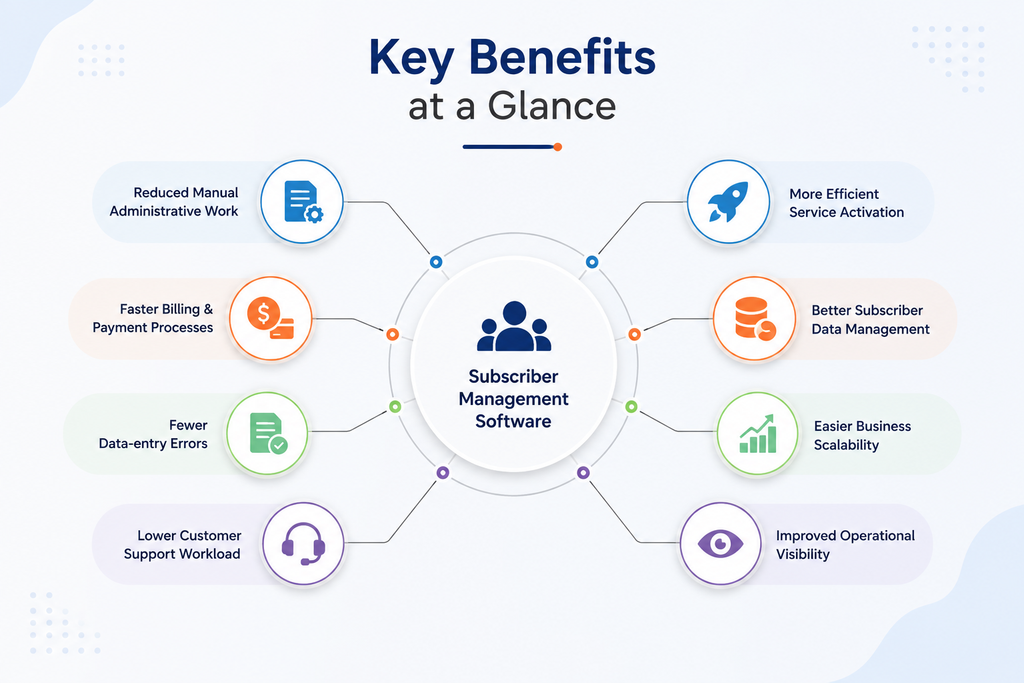
Key Benefits at a Glance
The main cost-saving advantages of subscriber management software include:
- Reduced manual administrative work
- Faster billing and payment processes
- Fewer data-entry errors
- Lower customer support workload
- More efficient service activation
- Better subscriber data management
- Easier business scalability
- Improved operational visibility
What Should ISPs Look for in Subscriber Management Software?
Before selecting a solution, ISPs should evaluate whether it supports their current operations and future growth. Important capabilities may include subscriber profile management, billing integration, payment tracking, service-plan management, automation, reporting, user access controls, and network integration.
The ideal platform should not simply replace spreadsheets. It should create a connected operational environment where subscriber-related processes can work together efficiently.
Conclusion
Reducing operational costs is increasingly important for ISPs competing in a fast-changing connectivity market. Subscriber management software can help by automating repetitive work, improving data accuracy, streamlining billing, supporting customer service, and allowing businesses to scale more efficiently.
For ISPs looking to modernize their operations, solutions such as Netzur can provide a centralized approach to managing subscribers and related ISP workflows. The right technology can help providers spend less time on manual administration and more time building reliable services and growing their customer base.
FAQ
1. How does subscriber management software reduce ISP costs?
It reduces costs by automating repetitive tasks such as subscriber registration, billing, payment tracking, service activation, account updates, and notifications. This lowers manual workload and reduces errors.
2. Is subscriber management software useful for small ISPs?
Yes. Small ISPs can benefit from automation because it allows them to manage growing subscriber numbers without immediately expanding their administrative workforce. It can also provide a foundation for future scalability.