
The telecom industry is evolving faster than ever. With the rapid expansion of 5G, cloud-native infrastructure, AI-driven automation, and customer expectations for seamless digital experiences, telecom providers are under pressure to modernize operations. At the center of this transformation lies OSS BSS – the backbone of telecom service management and customer operations.
In 2026, telecom companies are investing heavily in advanced oss bss systems to improve operational efficiency, reduce downtime, and deliver personalized services at scale. From network orchestration to customer billing and analytics, modern oss bss telecom platforms are becoming smarter, faster, and more agile.
What is OSS BSS?
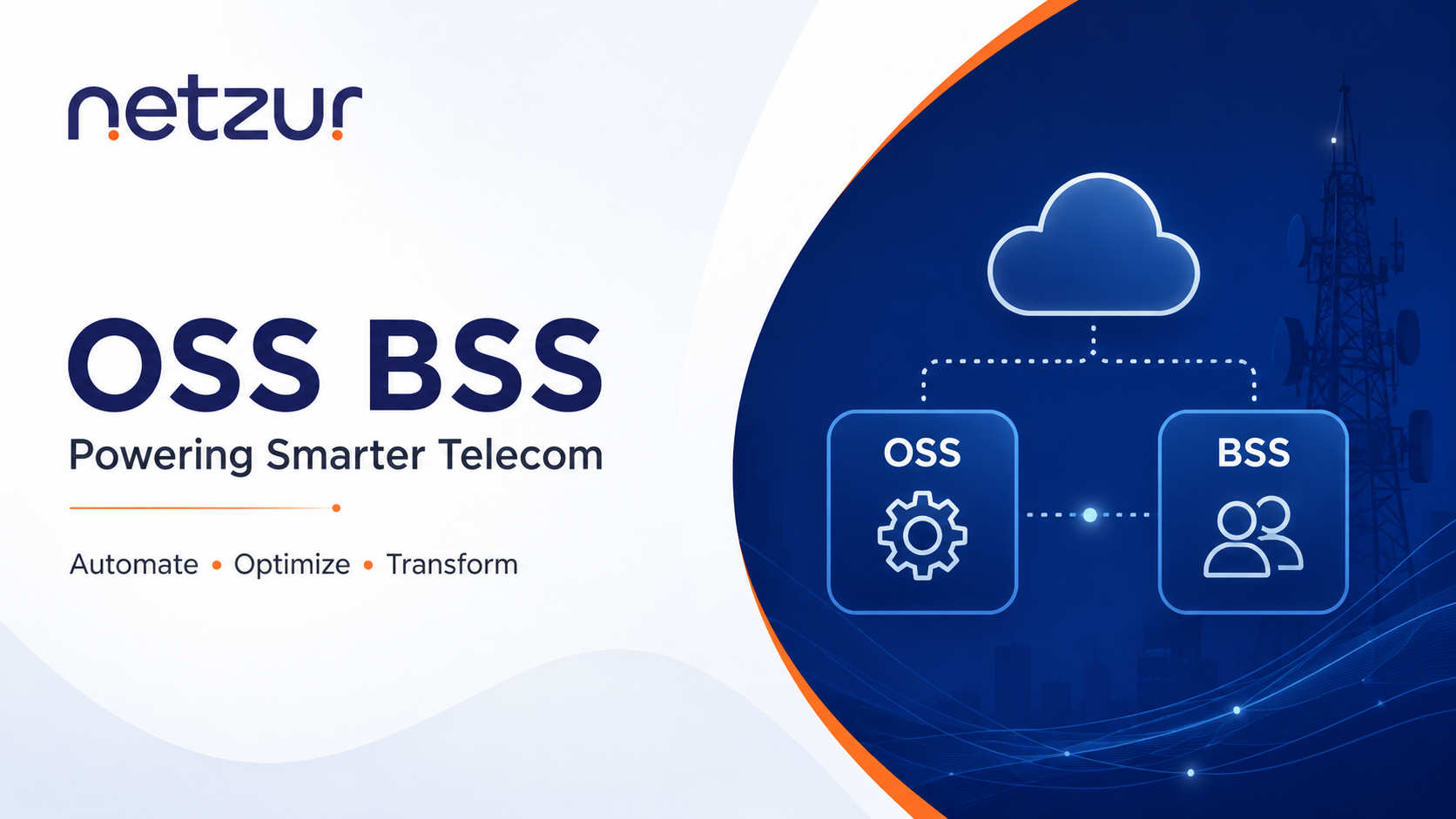
OSS (Operations Support Systems) and BSS (Business Support Systems) are integrated software frameworks used by telecom operators to manage networks, services, customers, and business processes.
OSS Handles:
- Network monitoring
- Service provisioning
- Fault management
- Performance optimization
- Network inventory
BSS Handles:
- Customer relationship management
- Billing and revenue management
- Order processing
- Subscription management
- Customer support
Together, OSS and BSS create a connected ecosystem that enables telecom providers to manage both technical infrastructure and customer-facing operations efficiently.
Why OSS BSS Systems Are More Important Than Ever
Telecom networks are becoming increasingly complex due to:
- 5G rollout
- IoT expansion
- Edge computing
- Cloud-native deployments
- Multi-vendor environments
Traditional legacy systems often struggle to keep up with these changes. This is why modern oss bss systems are now built with AI, automation, and cloud capabilities to support digital transformation.
According to Gartner, telecom companies adopting intelligent automation can significantly reduce operational costs while improving customer satisfaction.
Top OSS BSS Telecom Trends in 2026
1. AI-Powered Network Automation
Artificial intelligence is revolutionizing telecom operations. AI-driven OSS platforms can predict network failures, automate maintenance, and optimize traffic management in real time.
Telecom operators are now using machine learning to:
- Detect anomalies
- Improve network uptime
- Automate ticket resolution
- Enhance predictive maintenance
This reduces manual intervention and accelerates service delivery.
2. Cloud-Native OSS BSS Architecture
Modern telecom providers are moving away from monolithic systems toward cloud-native platforms.
Cloud-based oss bss telecom solutions offer:
- Faster scalability
- Reduced infrastructure costs
- Better flexibility
- Easier software updates
- Improved disaster recovery
This transition allows operators to launch services faster while maintaining operational agility.
3. 5G Service Orchestration
The growth of 5G requires dynamic network slicing and real-time service management. Traditional OSS frameworks cannot efficiently support these capabilities.
Advanced oss bss systems now integrate:
- Real-time analytics
- Automated orchestration
- Dynamic provisioning
- Low-latency management
These features are essential for handling modern 5G ecosystems.
For deeper insights into 5G transformation, resources from Ericsson Mobility Report provide valuable industry research and market forecasts.
4. Customer-Centric Digital Experiences
Telecom customers now expect personalized and seamless digital interactions.
Modern BSS platforms help operators:
- Offer personalized plans
- Deliver omnichannel support
- Improve self-service portals
- Provide real-time billing transparency
Enhanced customer experiences directly improve retention and revenue growth.
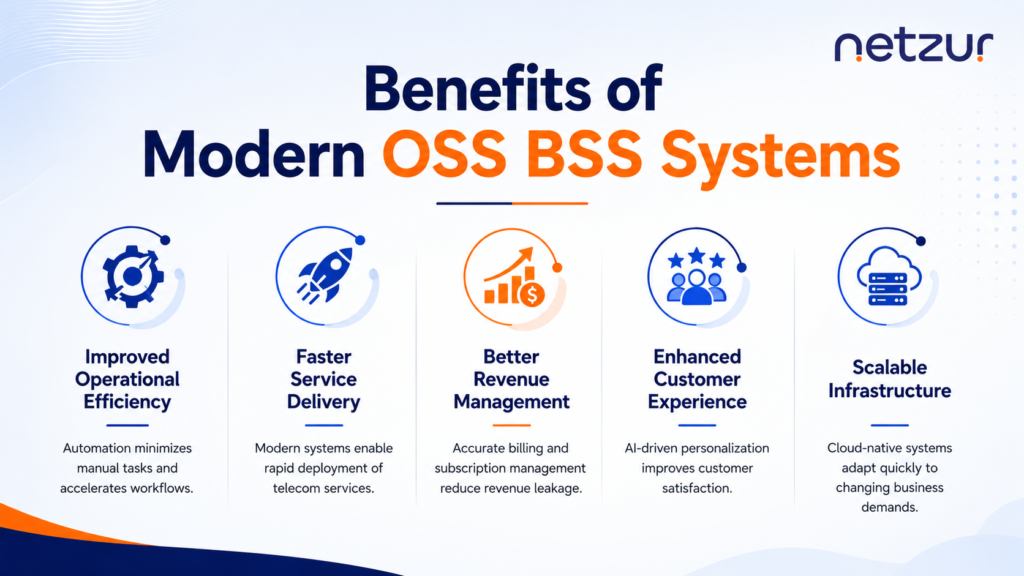
Benefits of Modern OSS BSS Systems
Improved Operational Efficiency
Automation minimizes manual tasks and accelerates workflows.
Faster Service Delivery
Modern systems enable rapid deployment of telecom services.
Better Revenue Management
Accurate billing and subscription management reduce revenue leakage.
Enhanced Customer Experience
AI-driven personalization improves customer satisfaction.
Scalable Infrastructure
Cloud-native systems adapt quickly to changing business demands.
Challenges Telecom Providers Face
Despite the advantages, telecom operators still face several challenges during OSS BSS modernization:
Legacy System Integration
Older infrastructure may not integrate smoothly with modern platforms.
High Implementation Costs
Large-scale transformation requires significant investment.
Data Security Concerns
Handling customer data and network intelligence requires strong cybersecurity practices.
Skill Gaps
Companies need skilled professionals to manage advanced telecom software ecosystems.
However, the long-term benefits of digital transformation often outweigh these initial challenges.
How AI and Automation Are Changing OSS BSS Telecom
AI is no longer optional in telecom operations. Intelligent automation is now essential for managing complex networks efficiently.
AI-powered oss bss systems can:
- Predict customer churn
- Automate billing disputes
- Optimize bandwidth allocation
- Reduce operational expenses
- Improve network resilience
As telecom ecosystems become increasingly data-driven, automation will continue to shape the future of the industry.
The Future of OSS BSS Beyond 2026
The next generation of telecom systems will likely focus on:
- Autonomous networks
- Hyper-personalized services
- Real-time customer intelligence
- Edge computing integration
- Sustainable network operations
OSS and BSS platforms will continue evolving to support advanced technologies and future telecom demands.
Companies investing early in intelligent OSS BSS modernization will gain a strong competitive advantage in the digital telecom landscape.
Conclusion
The telecom industry is entering a new era powered by AI, cloud computing, and 5G innovation. Modern oss bss systems are becoming essential for telecom providers aiming to improve operational efficiency, customer experience, and scalability.
As digital transformation accelerates, businesses that adopt advanced oss bss telecom solutions will be better prepared for future growth and innovation. Platforms like Netzur are helping organizations modernize telecom operations with smarter and more agile technology solutions.
FAQs
1. What does OSS BSS mean in telecom?
OSS stands for Operations Support Systems, while BSS stands for Business Support Systems. Together, they help telecom companies manage networks, billing, customer services, and operational processes.
2. Why are OSS BSS systems important for 5G?
5G networks require real-time automation, dynamic provisioning, and advanced orchestration. Modern OSS BSS systems enable telecom providers to efficiently manage these complex operations.
